Why start surface pattern design — a personal perspective
Surface pattern design in everyday life
Surface pattern design surrounds us every day — on textiles,
in interiors, on homeware, on stationery and more — though we don’t often notice it consciously. When we choose a notebook, a shirt or wallpaper,
it is often not only their function, but also their appearance that draws us in. More often than not, at the heart of that appeal lies the repeat pattern. Whether hand-drawn, stamped or digital, patterns catch the eye and invite us into a perceptual journey that can shift our mood in subtle, yet powerful ways.
A repeat, or a seamless pattern, is a design built in such a way that its edges connect perfectly. When tiled across fabric, paper or screen, it flows without visible breaks — creating endless continuity. Personally, I hold
a particular interest in how they work on fabrics, paper and tableware.
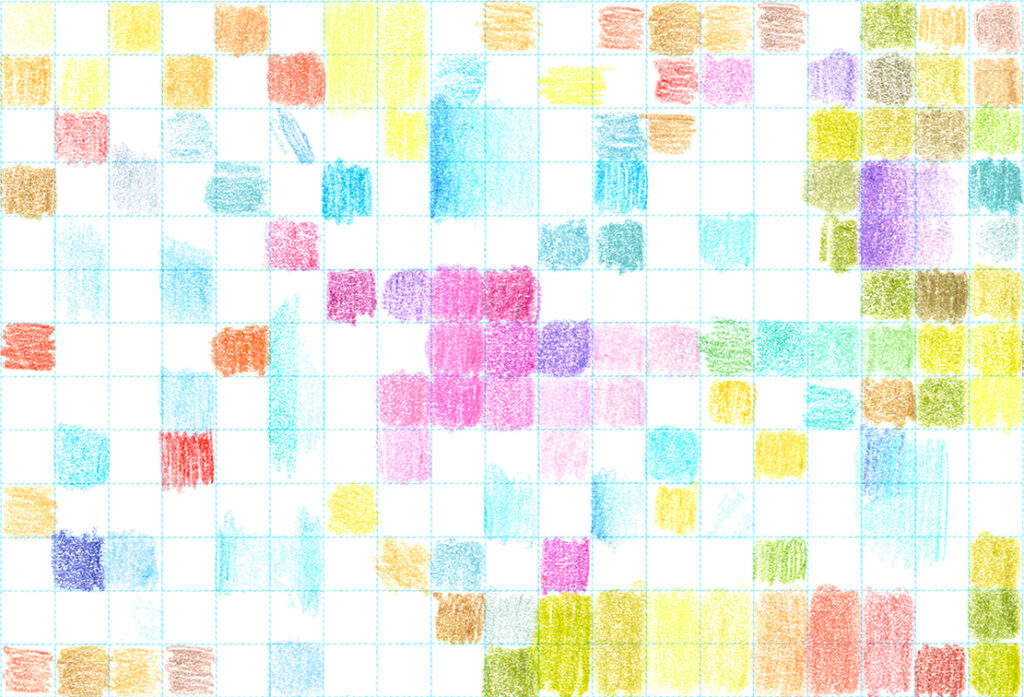
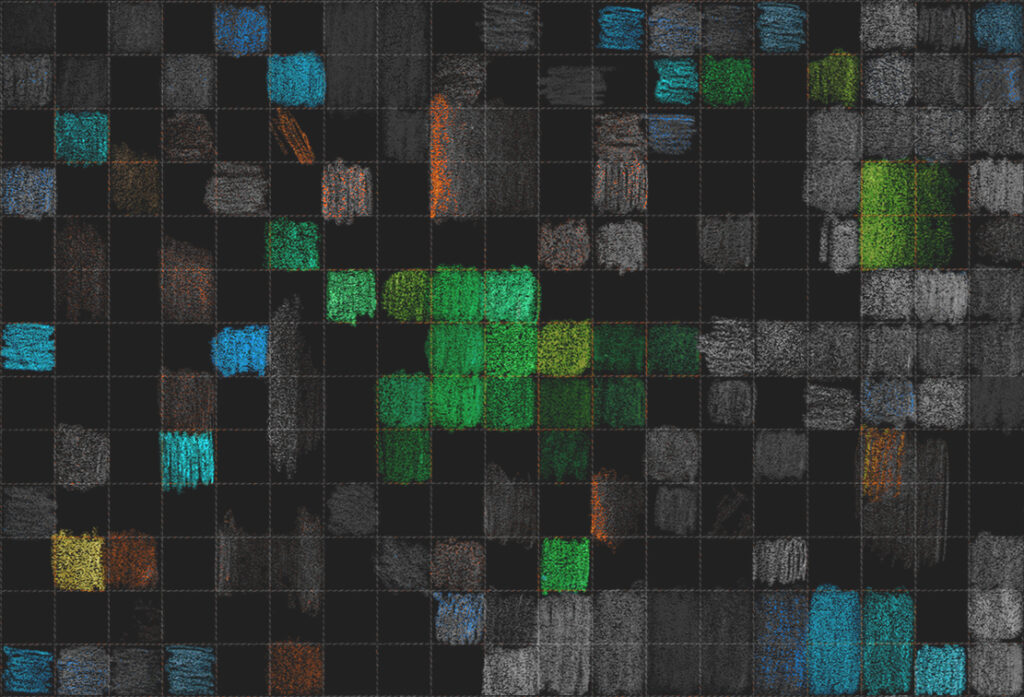
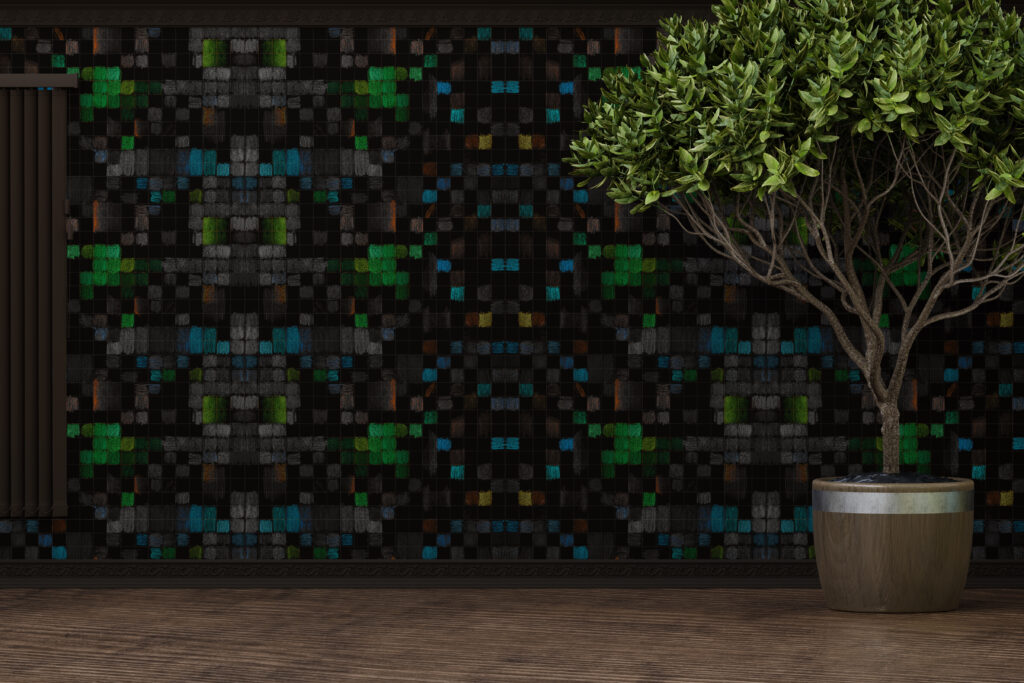
Patterns both shape atmosphere and evoke meaning. They don’t merely decorate; they communicate. They can make interiors feel more alive, express identity in what we wear or bring warmth and beauty into everyday objects. From timeless polka dots and tartans to hand-drawn botanicals or ornate geometrics, each design carries its own rhythm, story and cultural memory. Thus, they enrich the tactile and visual landscape of our lives. Anchoring us emotionally, they enliven our surroundings and mirror our inner selves outward.
My lifelong connection with patterns
I have always been drawn to patterns. Since childhood, my eyes lingered on
intricacies of design and the play of colours across different surfaces.
As a schoolgirl, I found myself studying the stained-glass windows in the church where my parents took me for Mass. I would trace their shapes, rhythms and layers of colours as if they held a secret language.
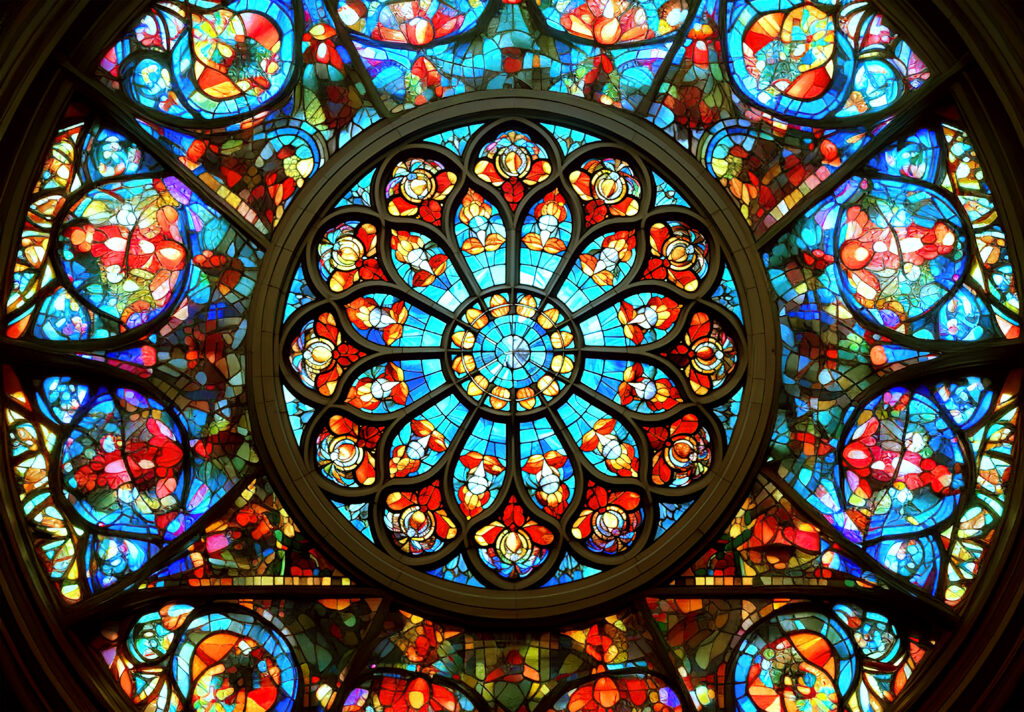
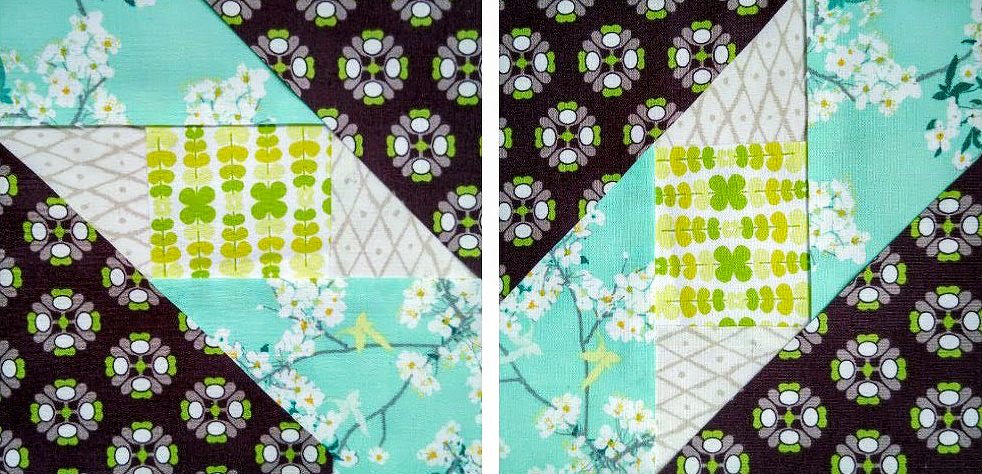
The moment I learned how to use a sewing machine, I began experimenting with patchwork, a kind of handmade pattern design, attempting to piece together geometric layouts without yet knowing the rules of quilting. I was guided purely by the desire to understand how stitches could form striking visual harmonies.
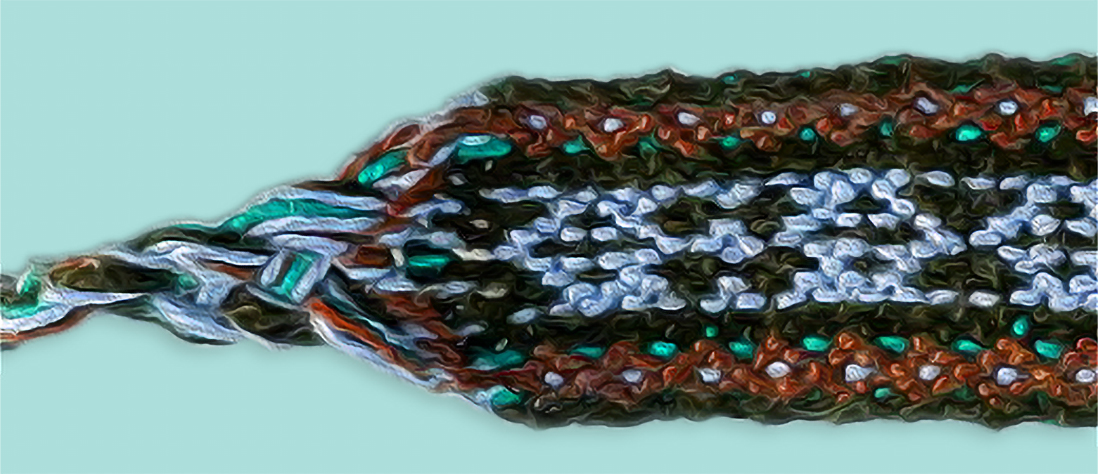
As a teenager, I discovered tactile delight in braiding friendship bracelets, once again gravitating toward intricate geometric repeat patterns.
And whenever I wandered through the meadows near my family home,
I tuned my eyes to bright fragments of colour, pausing to examine the structures of wildflowers — their petals, their inner parts, the infinite variety of forms in their inflorescence.
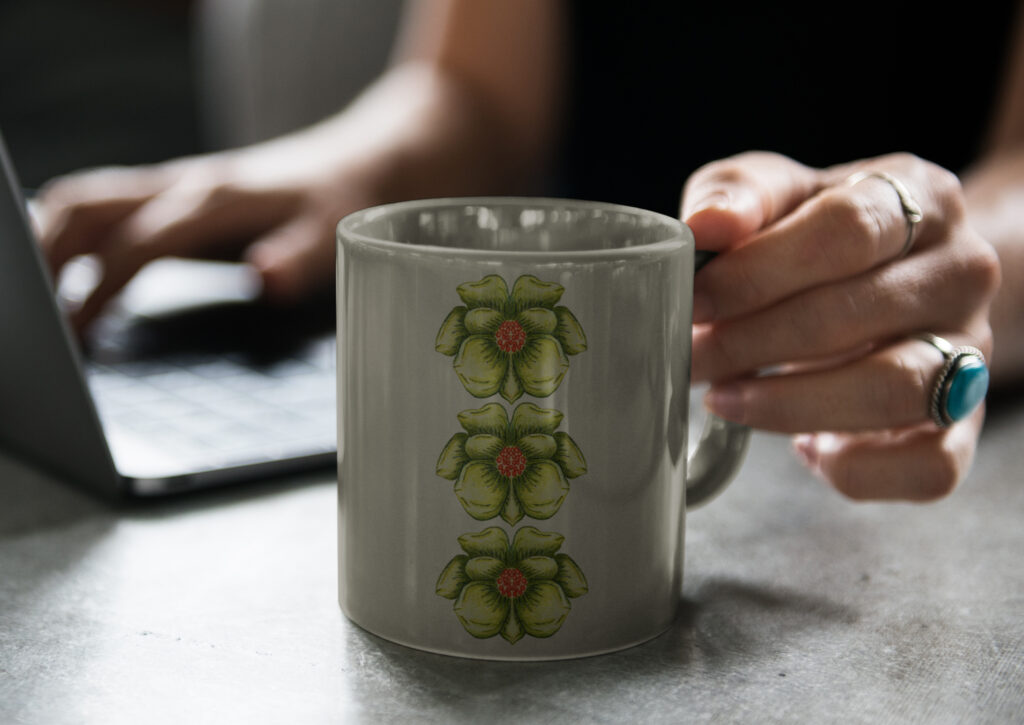
Now, as an adult, I find myself returning to those early impressions. The work I create centres on two enduring motifs: the precision of geometry and the fluid vitality of organic, botanical shapes.
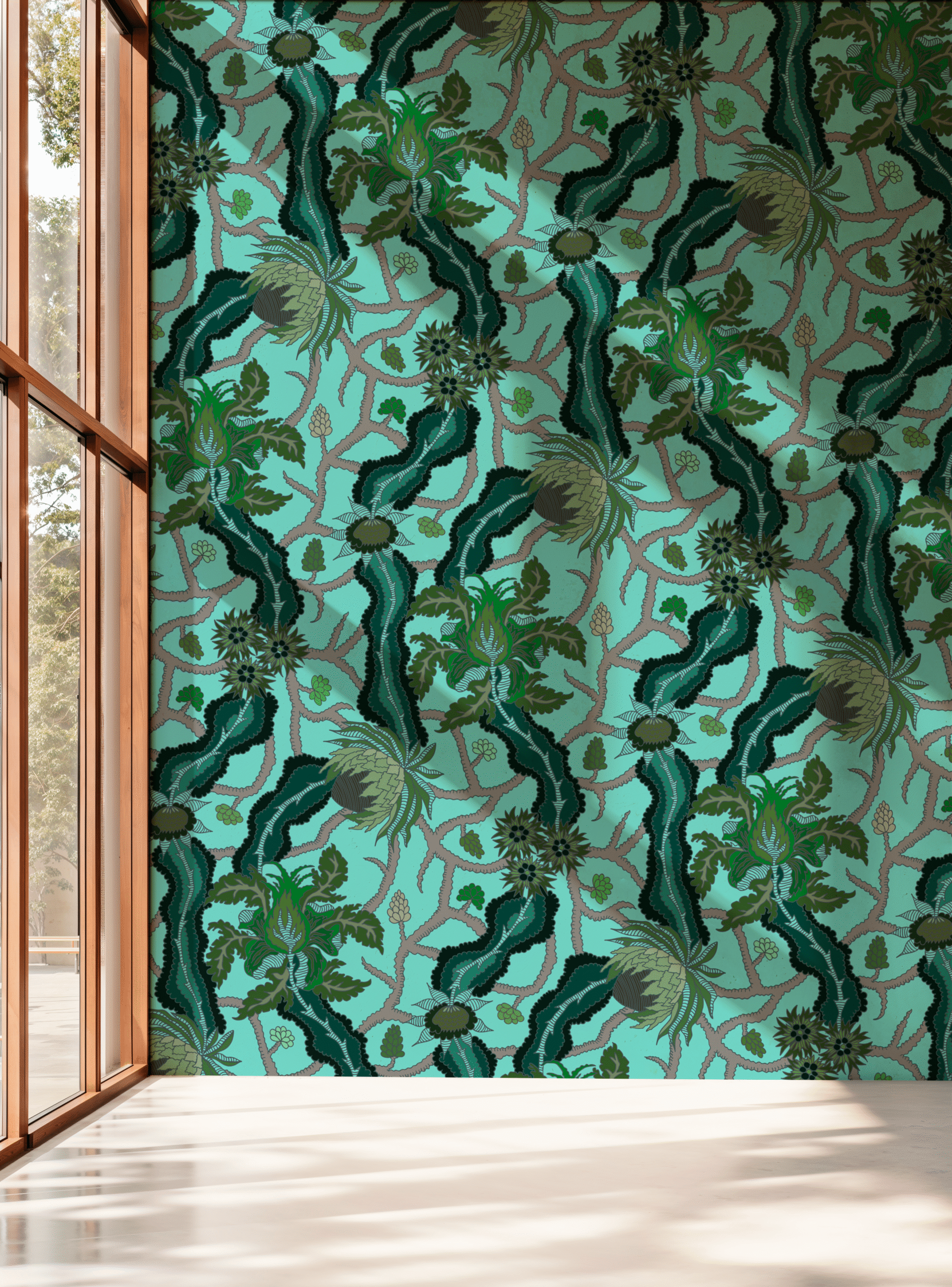
In making and designing, I revisit my own beginnings. It brings about calm and warmth spreading through my chest. There is a sense of nostalgia —
for the peace of childhood that has long passed, but also for the seed it planted. That seed has grown into who I am today, and who I aspire to become as an artist and designer.
A broader concept of a pattern
For me, a pattern is much more than the repetition of a motif across
a surface. The word itself carries several intertwined meanings, each of which I deeply resonate with.
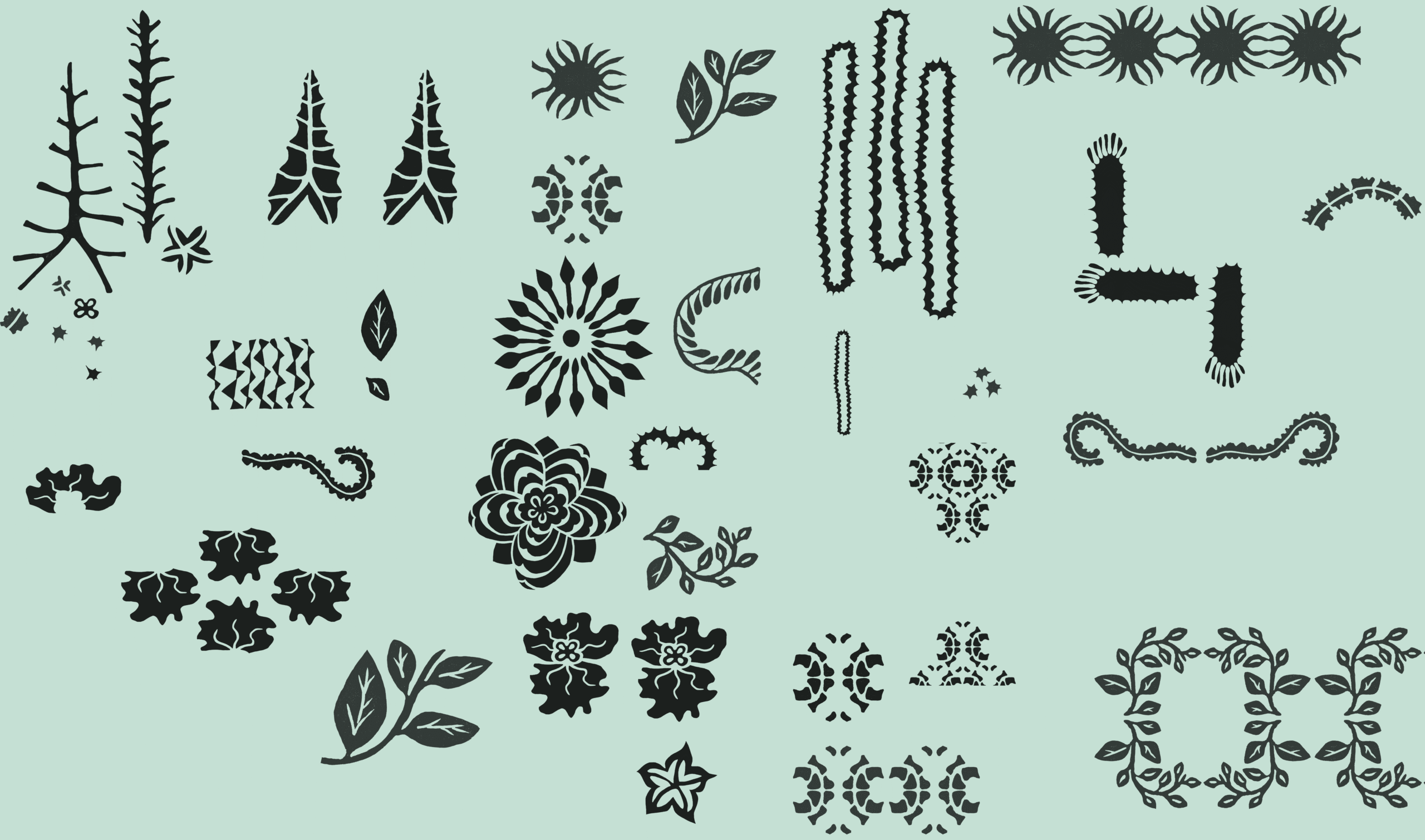
One comes from the Merriam-Webster Dictionary: a pattern is a form or model proposed for imitation — an exemplar. I think first of physical objects. A while ago, I created a collection of seamless patterns that began with block printing. Before arranging anything digitally, I spent joyful hours carving and testing rubber stamps. Each stamp became a primary element, a building block for both simple and complex designs. Over time, I compiled a whole library of models I can return to whenever I want to build a new collection of digitalized handmade prints.
This idea of an exemplar also brings me back to sewing and quilting. Once you have a pattern, you can replicate it endlessly — yet the real magic lies in how you make it your own. Fabric choices, colour schemes, contrast and rhythm shape the mood of the final piece.
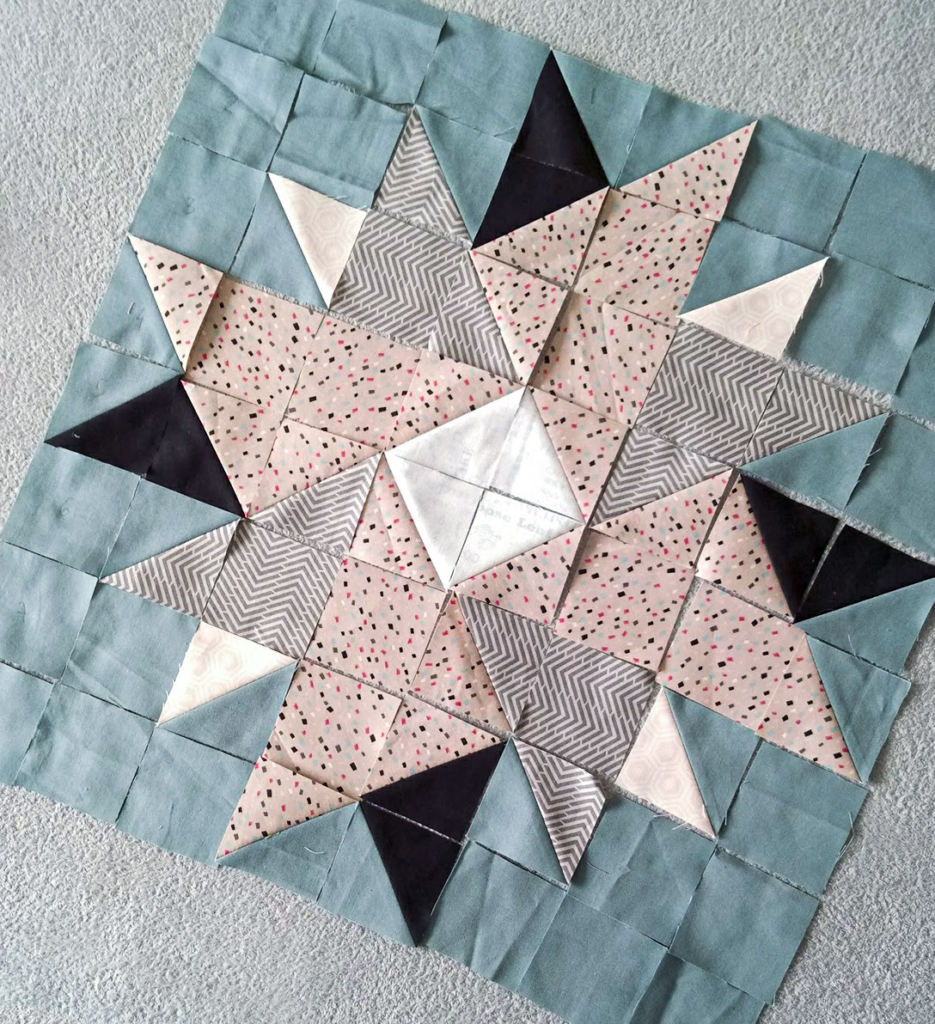
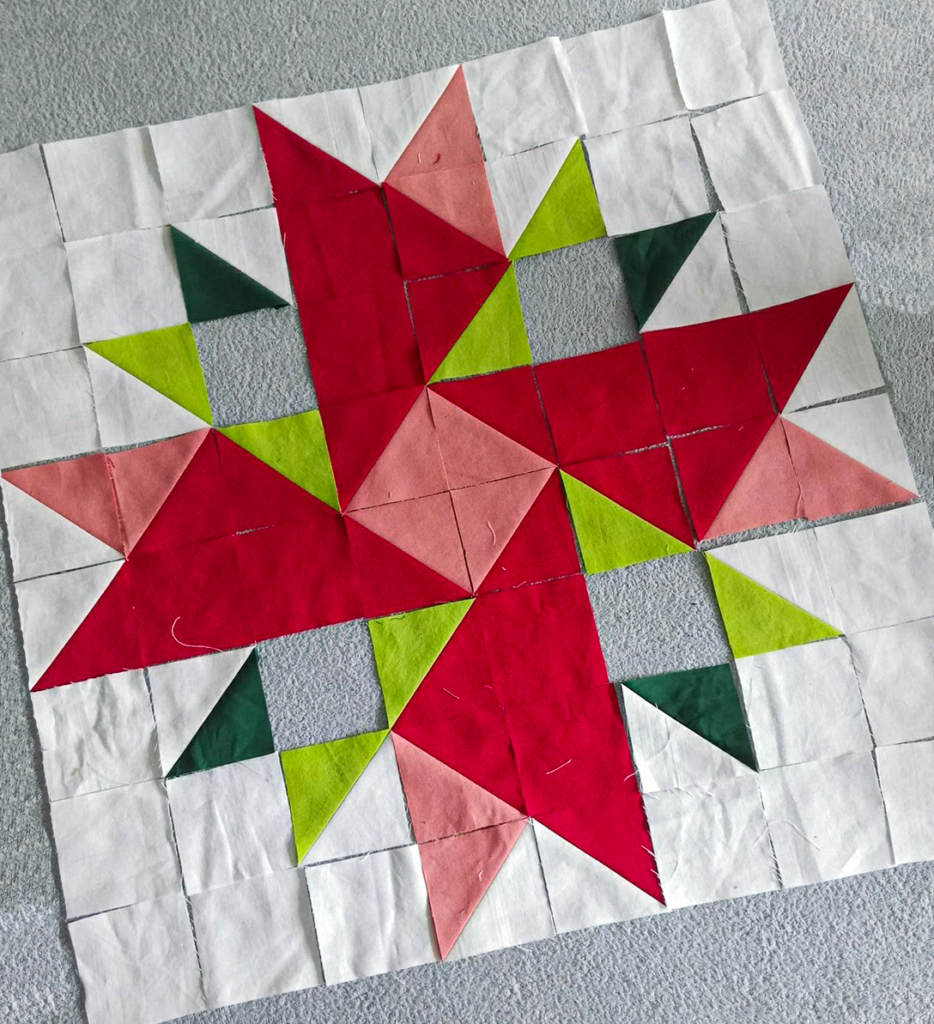
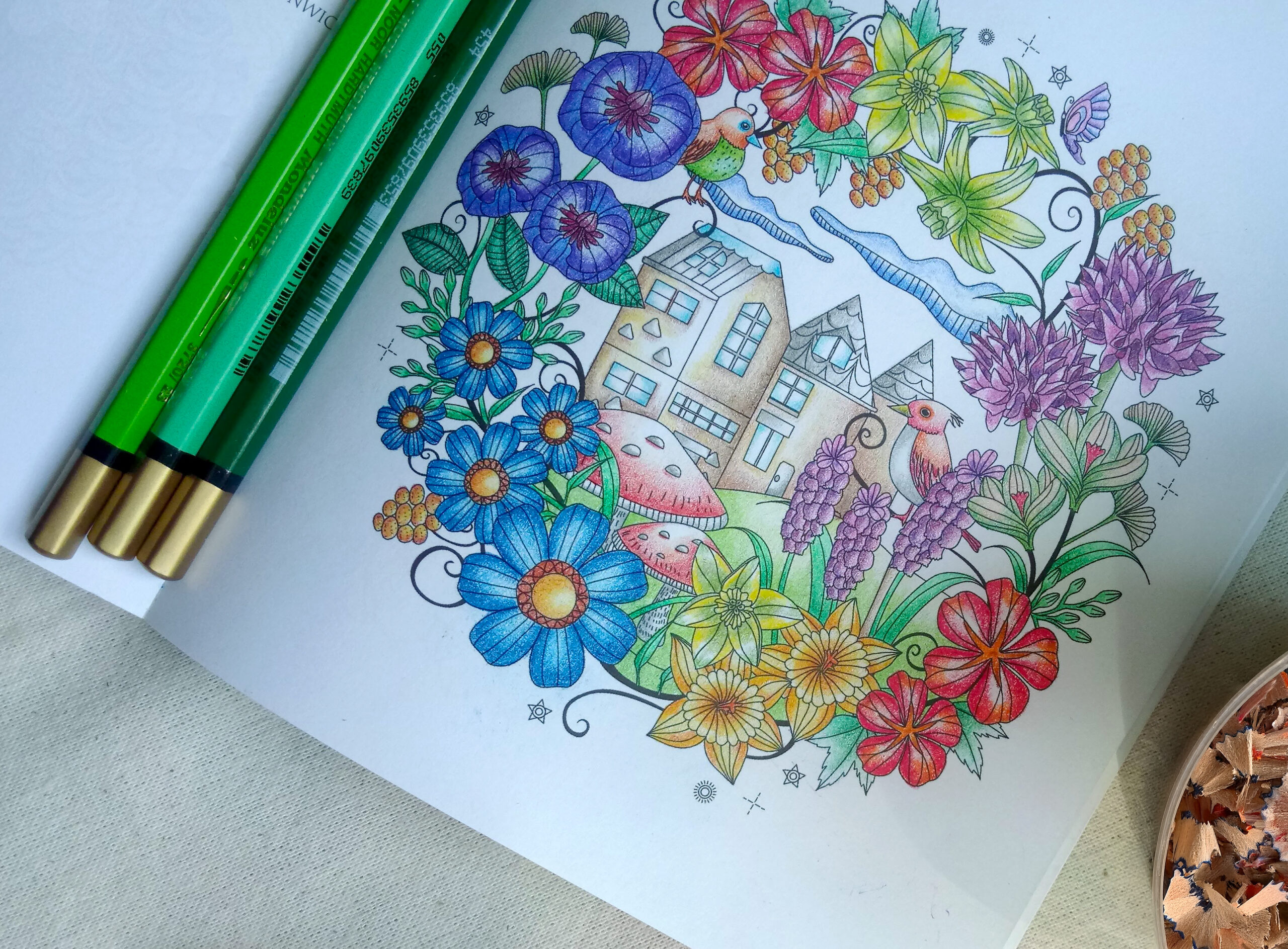
It reminds me of colouring line drawings: you start with a black-and-white outline, an open invitation to a world not yet created.
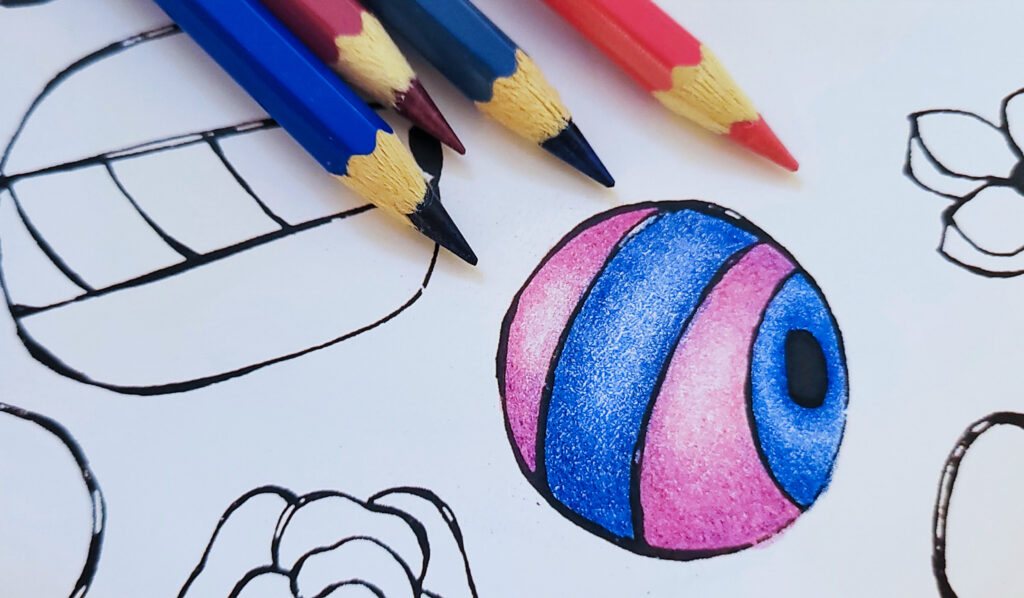
Through your decisions, you give it life and character.
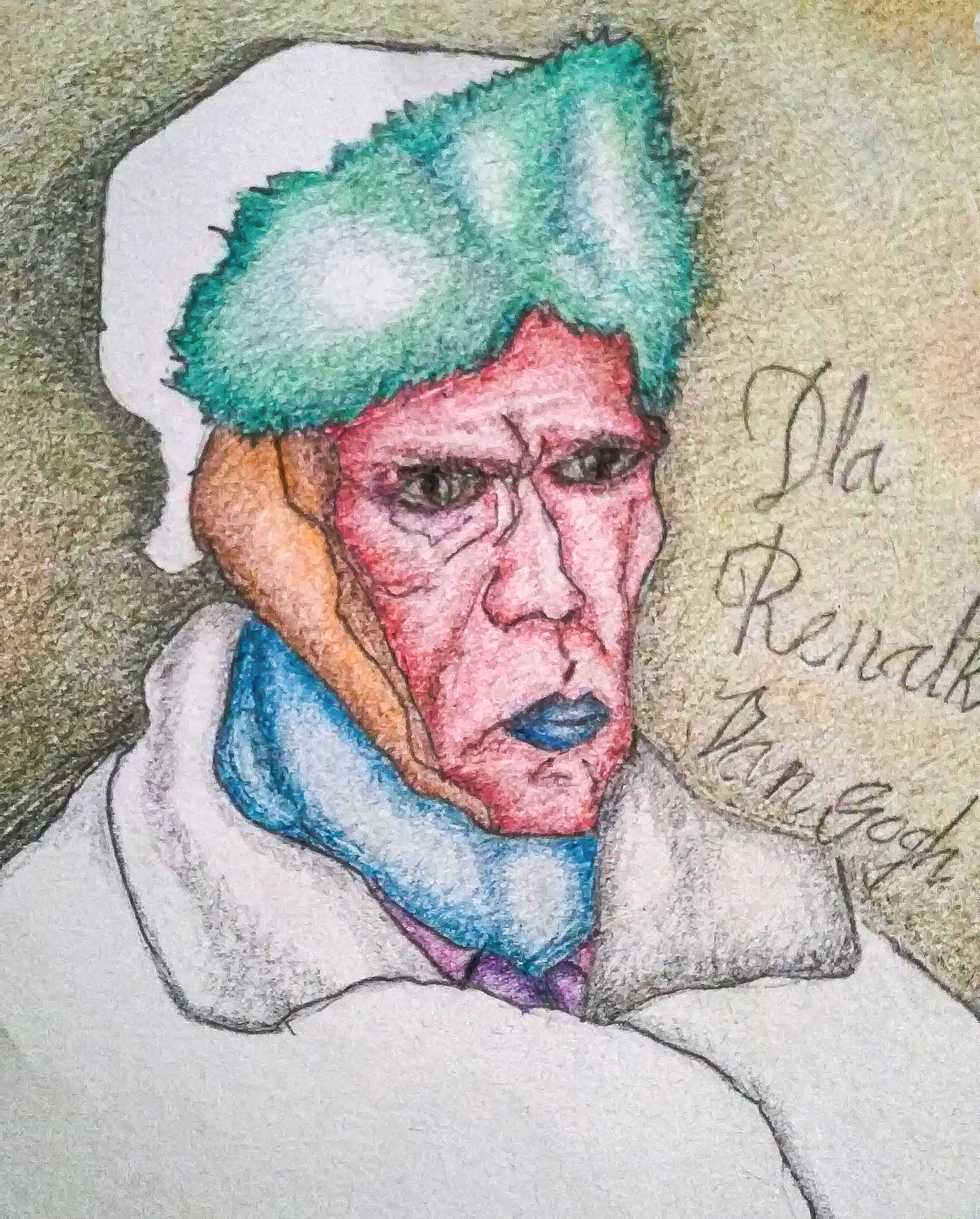
Isn’t that a wonderful process of creation? It all begins with a rudimentary form — the rest is the magic you bring.
Another definition comes from the Britannica Dictionary: a pattern is the regular and repeated way in which something happens or is done. In this sense, patterns belong to life itself. Life moves in cycles and transitions — often so seamlessly that we barely notice them, swept along by the speed of modern life.
Our identities also follow such cycles: from infancy to childhood, adolescence to adulthood and with luck, into old age. Along the way we inhabit countless roles — a daughter, a son, a parent, a partner, a friend, a colleague, etc. Each role connects us to others, weaving us into webs of interaction. Sometimes these dynamics echo those of previous generations. Our task is to notice these inherited schemas and when necessary, to design new ways of relating. In doing so, we shift the constellation of patterns we live within.
Finally, patterns also reveal themselves in language. Anyone who has studied English grammar or vocabulary knows how recurring forms help us learn: letter clusters shaping pronunciation (thought, brought, caught, fought), suffixes creating nouns (-ness: kind → kindness, dark → darkness), prefixes reshaping meaning (re-: write → rewrite). Word families hold together like pattern collections: act gives us action, active, actor, activity; create unfolds into creation, creative, creativity, creator.
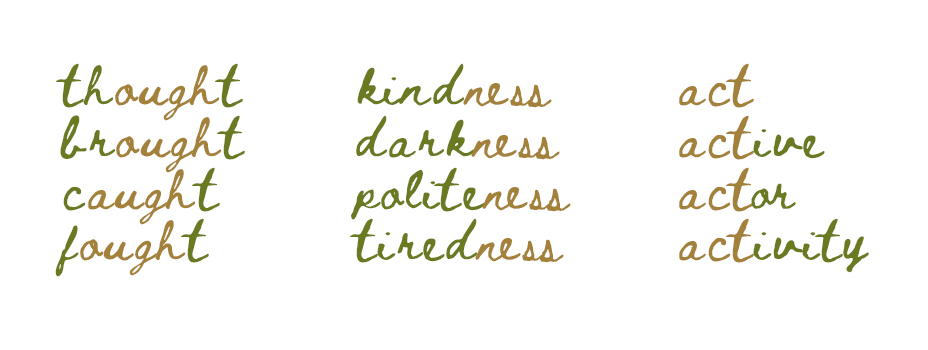
Each variation is distinct, yet a common root binds them into a coherent whole — just like a series of surface repeat patterns linked by a shared trait.
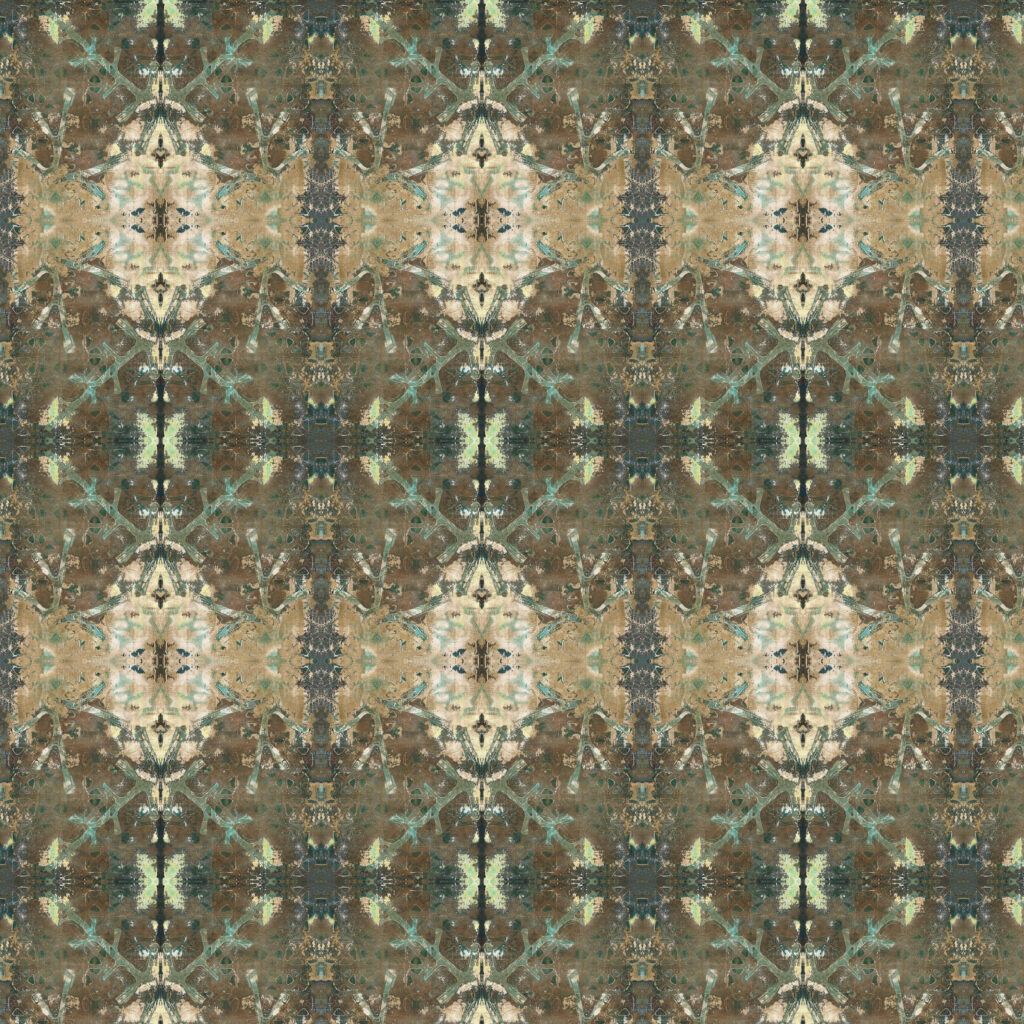
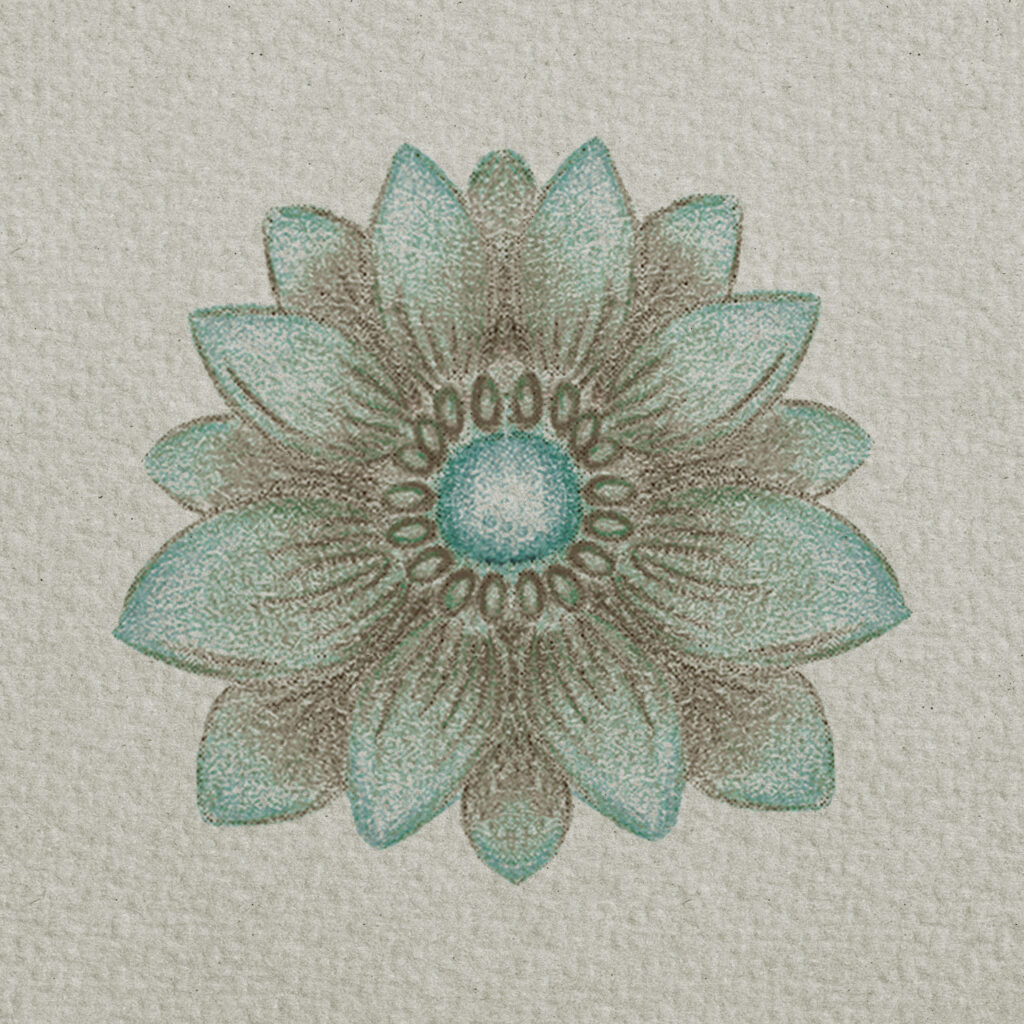
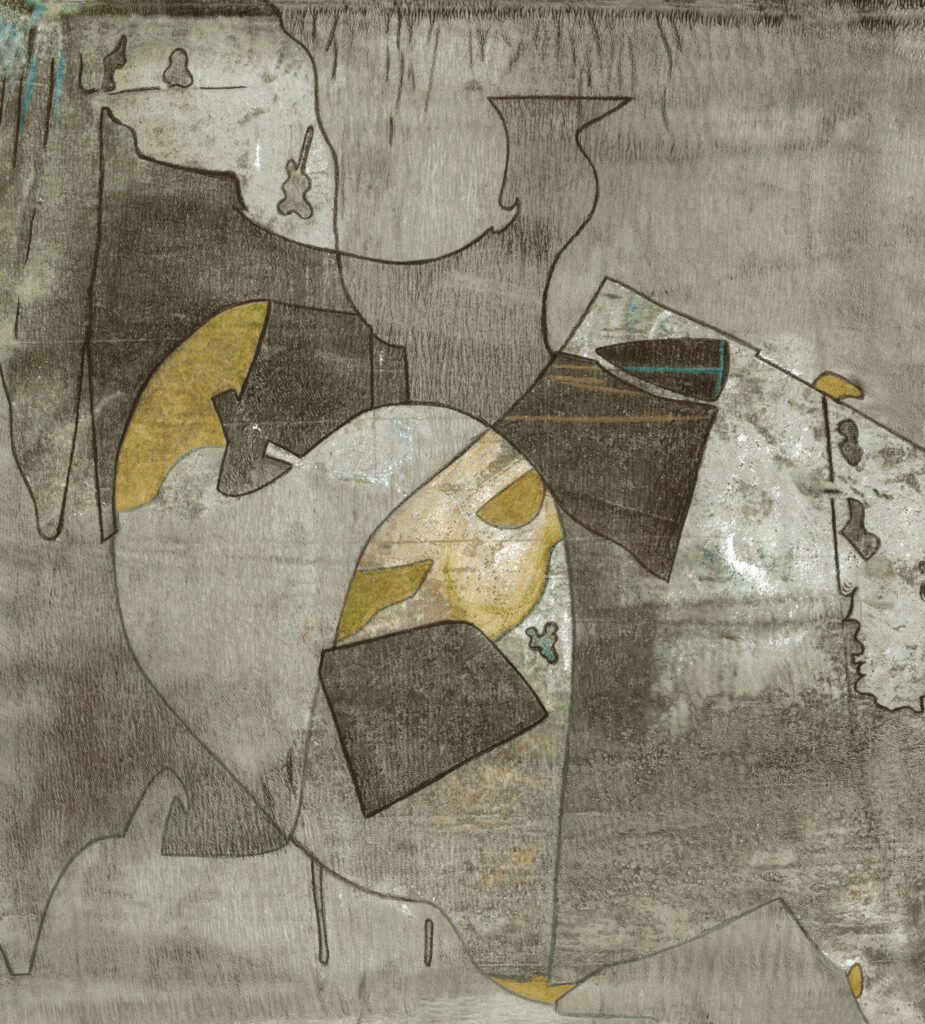
To me, tuning into patterns means seeing them everywhere: in art, in language, in relationships, in the cycles of nature, in the very scaffolding of life. They hold both order and possibility. They help us build, anticipate, imagine. Recognizing them sharpens our understanding of the world and deepens our awareness of how we are woven into it. To see a pattern is to move through life with greater clarity — and perhaps with more tenderness, toward ourselves and toward the world around us.
Facing self-doubt; discovering my creative why
When I first sat down to write this opening post for innerimprints.art,
I froze. A flood of questions rushed in and with them, a burning wave of self-doubt. The most pressing one was deceptively simple: why would anyone want to read the story of someone stepping onto a new creative path? But behind it lay the real questions I had to face:
Why do I want to do this?
Do I care enough?
If not, how could it ever matter to anyone else?
The rational part of me has an answer ready — you can already find it in the second paragraph of this post. After years of working with craft — quilting, sewing, making clothes, accessories and homeware — the step toward designing my own patterns feels natural. I’ve handled countless fabrics, studied how patterns interact, and now I feel the need to create my own. This reasoning is sound, but it still feels external, as if it belongs to someone else’s narrative rather than my own core truth.
Living with myself has taught me to pause when such inner commotion arises. Beneath the jumble of thoughts and feelings — and even the blankness that sometimes accompanies them — lies a process of deeper understanding. To reach it, I need to leave space for whatever stirs within me to shift, transfigure and settle.
Answers reveal themselves slowly, in many guises. Sometimes they arrive as images, other times as echoes of words spoken by others, or as fragments of memory. They may even show up as fleeting sensations. They always feel close to the surface, yet hidden — like a thin, transparent layer you rarely notice because your eyes are drawn to the denser layers beneath. Think of skin: the translucent epidermis is almost invisible compared to the colours and tones of the layers below. Or think of the sea: you remember blues, teals, greens, or foamy white swells — yet the sea’s surface itself is intangible, a shifting gate through which light plays and transforms what you see.
When I let my mind grow quiet, when I allow both heart and spirit to speak, the answer comes. This time, it arrived as an image — a slide I once made for a presentation about multipotentiality, mapping out the many passions and pursuits that have shaped me.
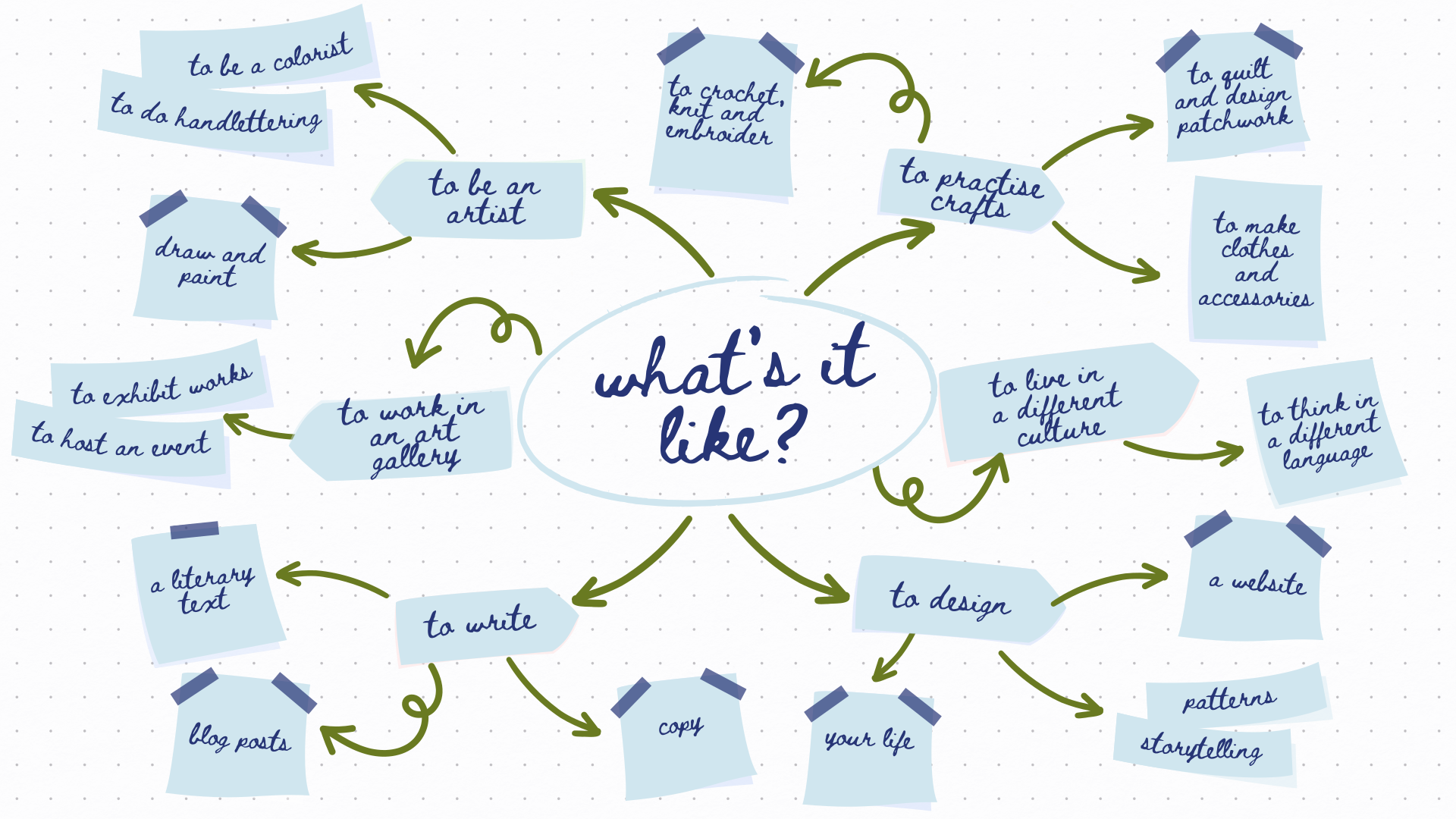
To that map I now add a new branch: surface pattern design. It holds within it not just an art practice, but also the possibility of building a solopreneur path, an artisanal pattern design studio and creating a sustainable way of living through my graphic and handcraft work.
Both directions are new terrain. My drawing and illustration skills for seamless patterns are still developing, my sense of marketing is under construction, and my neurodivergent mind wrestles daily with doubt, fear, and resistance. And yet — curiosity keeps me moving. Drive pulls me forward. Every small step — learning a new skill, improving the quality of my designs, finishing a mockup I feel proud of — becomes its own reward. These moments may be small, but they are luminous. They are what keeps me walking this path.
Deciding to begin: readiness as action
My aim is to build a creative practice that serves as both a personal outlet and a professional path. I plan to focus on offering my artisanal surface designs through print-on-demand platforms, with Patternbank as the first step.
My designs find their expression across:
• fabrics for high fashion, slow fashion brands and home décor textiles — patterns that invite a sense of elegance grounded in authenticity and ethical making;
• premium wallpapers for curated interiors — designs that bring depth, calm, and organic rhythm to the spaces we inhabit or move through as guests, clients or visitors;
• stationery collections — tactile surfaces that turn everyday objects into vessels of thought, beauty and emotion;
• tableware collections — surfaces where form meets ritual, bringing quiet beauty to the gestures of daily life, from morning coffee to shared meals.
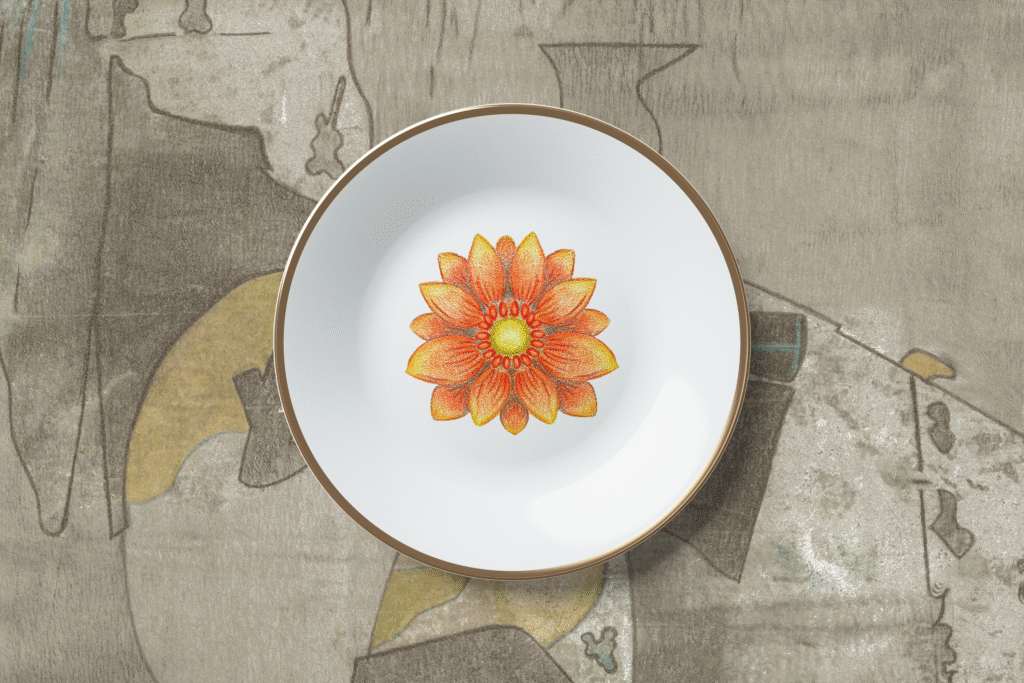
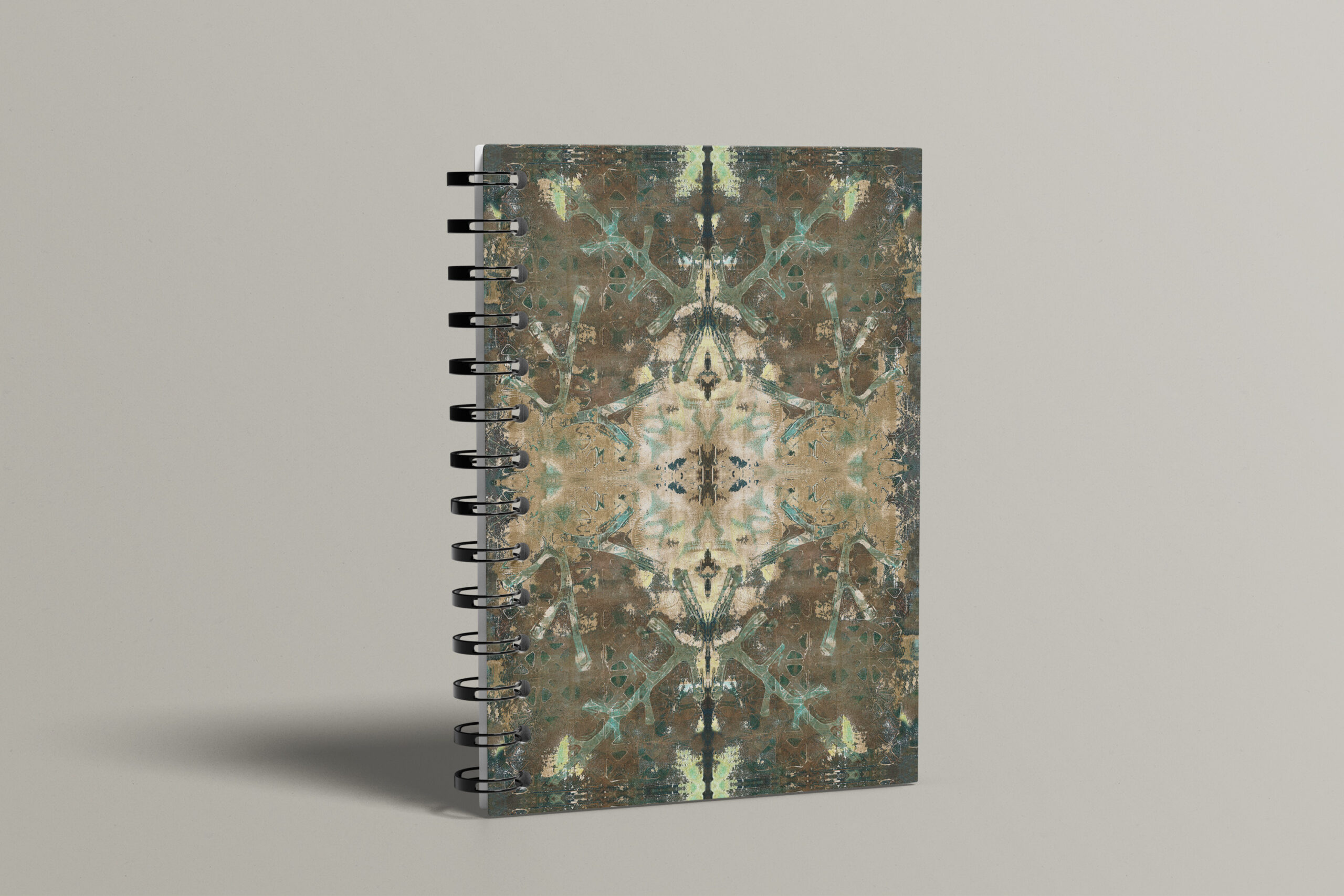
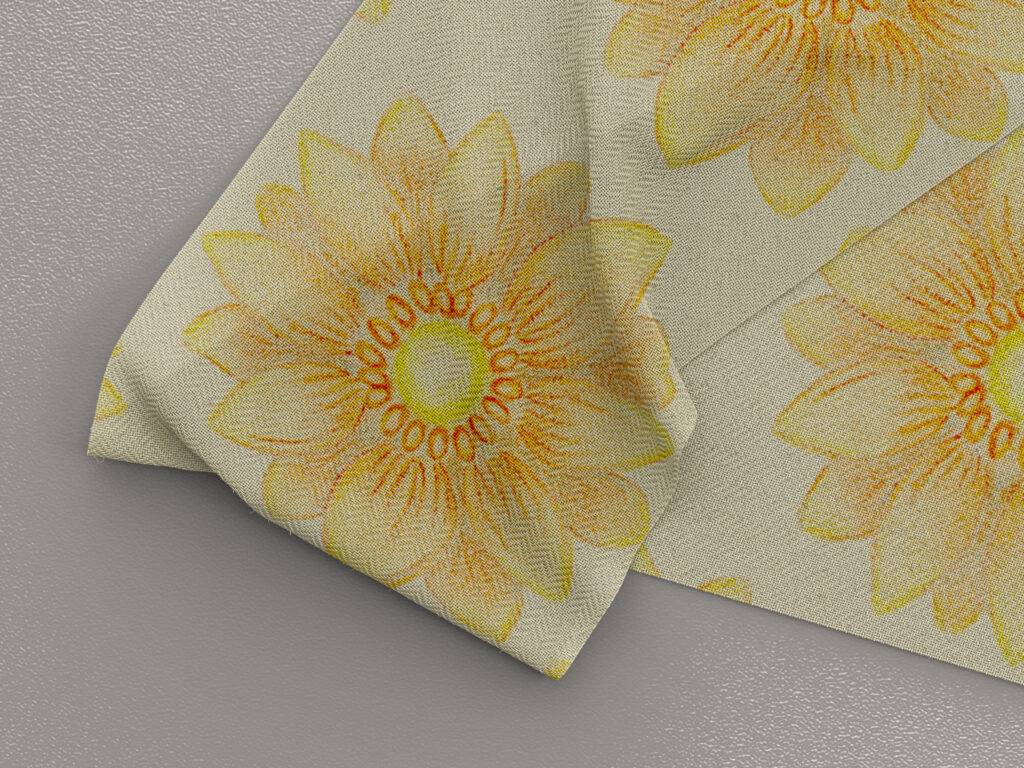
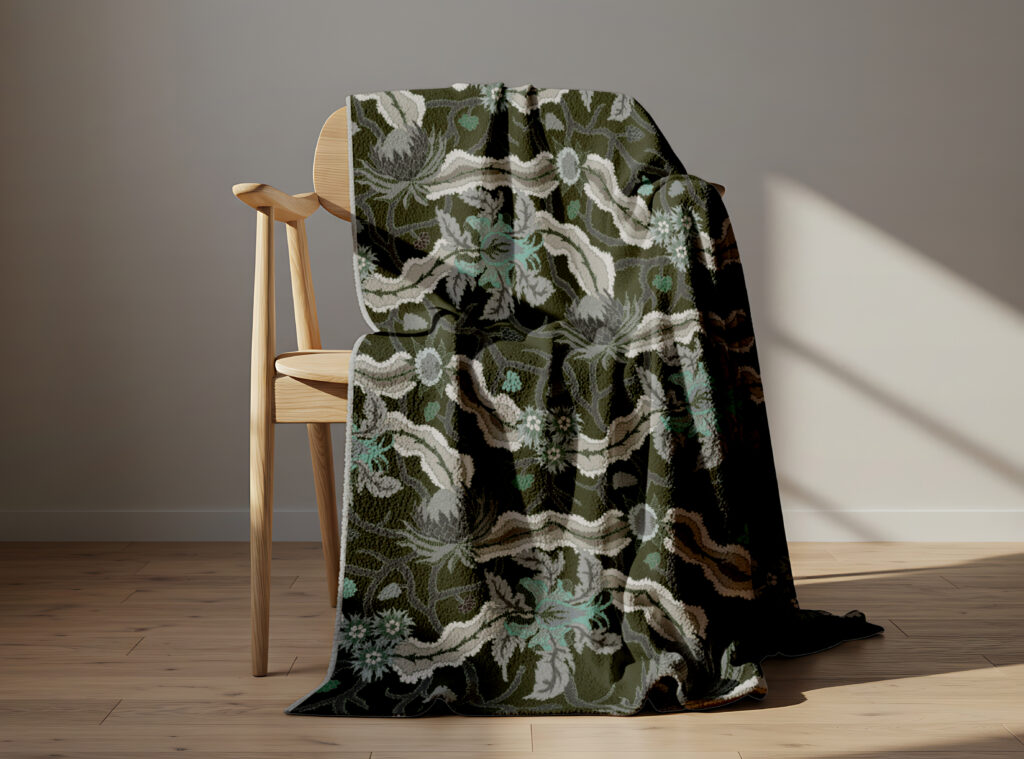
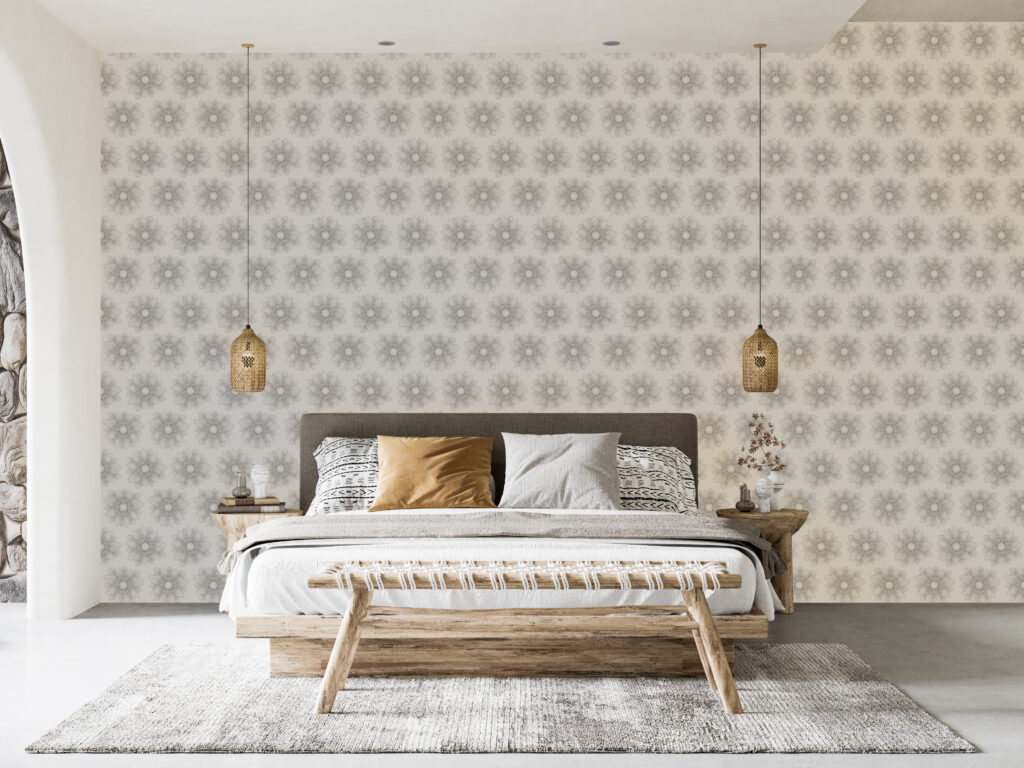
The real challenge lies in balancing my urge to express myself fully through art with the practical demands of design — to bridge the intuitive and the intentional. But readiness, I’ve realised, is not a feeling; it is a decision. And so, I am deciding to begin — even if I don’t yet feel prepared. Questions still spin in my head:
Do I truly know how to build a cohesive collection of seamless patterns?
Can I define my style?
Will my work resonate with the right audience?
Am I persistent enough to walk this path?
While some of these answers are already in progress, they don’t dissolve the self-doubt. Fear, perfectionism and uncertainty remain my steady companions. Yet, instead of treating them as obstacles, I am learning to let them guide me. My faith is not in knowing everything from the start, but in trusting that I can learn, adjust, and grow as I move forward. The only way to know if my vision resonates is to dive in, create and see what unfolds. And that process, with all its trials and small triumphs, is what I would like to share here.
The door left ajar
This is where I stand now: on the threshold, with curiosity as strong as fear. By writing these words and placing my first repeat patterns into the world,
I am leaving the door slightly open. If you happen to pause by and peek inside, you are welcome to join me on this journey — quietly, at your own pace.
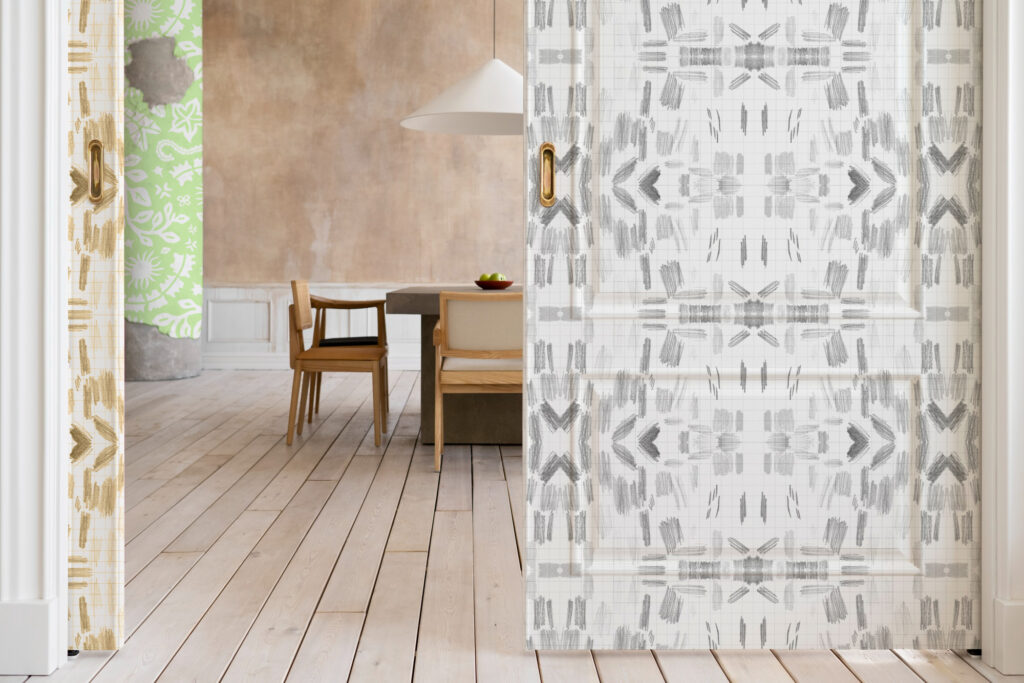
Perhaps my explorations will spark something in you, or perhaps you’ll simply enjoy witnessing the unfolding. Either way, this space is meant to be lived in softly, with traces of art and crafts, thought, presence and becoming.
If my words stir something in you, I’d love to hear it — a thought, a memory, a fragment. You’re welcome to write to me. I’d be glad to continue the conversation quietly, one to one.
Let what stirs within gently guide you.
Renata